The Game Director · 3 runs
How the Director made its games
Three of the 10 games on this site were made by Gamewright’s Game Director, each from one sentence. Each time, a separate Claude Code session was the Director. It had Gamewright’s tools and nothing else: no shell, no way to read files, no way to write code. Everything it changed was a proposal that a person approved or turned down.
Here is each conversation, turn by turn: what the person said, what the Director did and why, what the checks showed, what it cost, and what each run taught the engine.
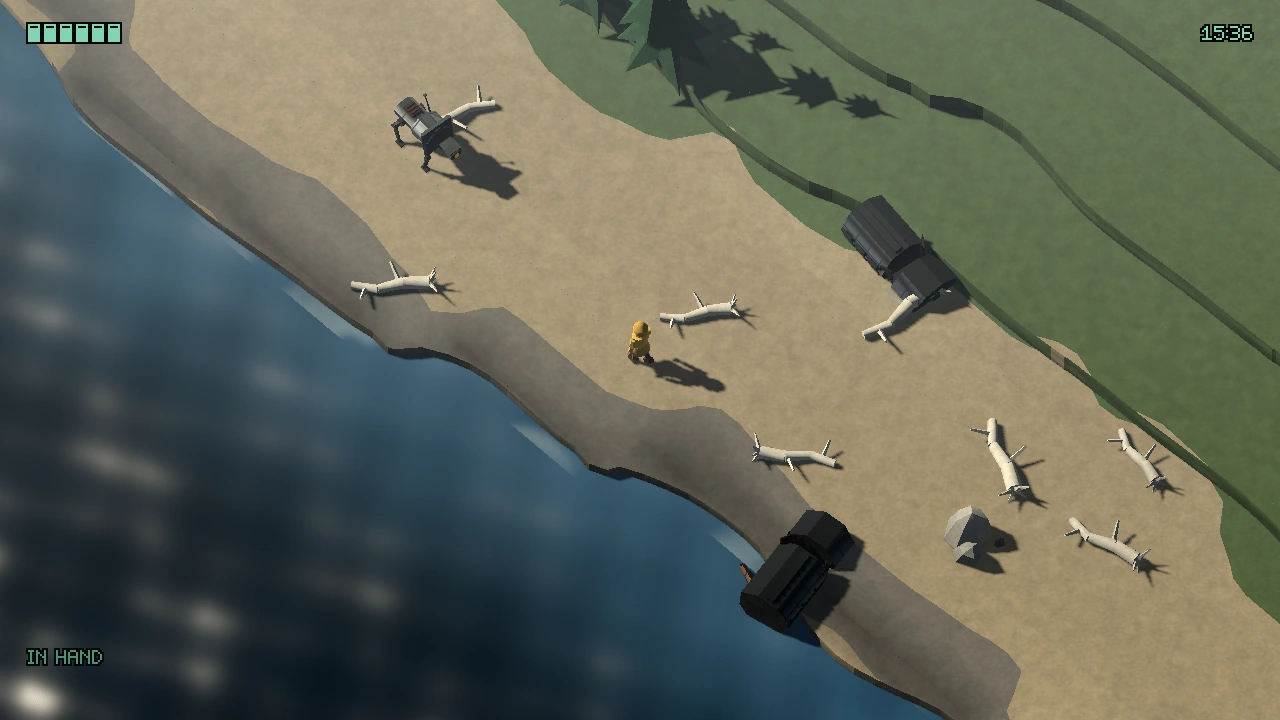
How the Director made Nightcoast
“A night-coast survival game where broken machines hunt you.”
Action survival template · 9 turns · $12.18 of model time · 30 September to 1 October 2026
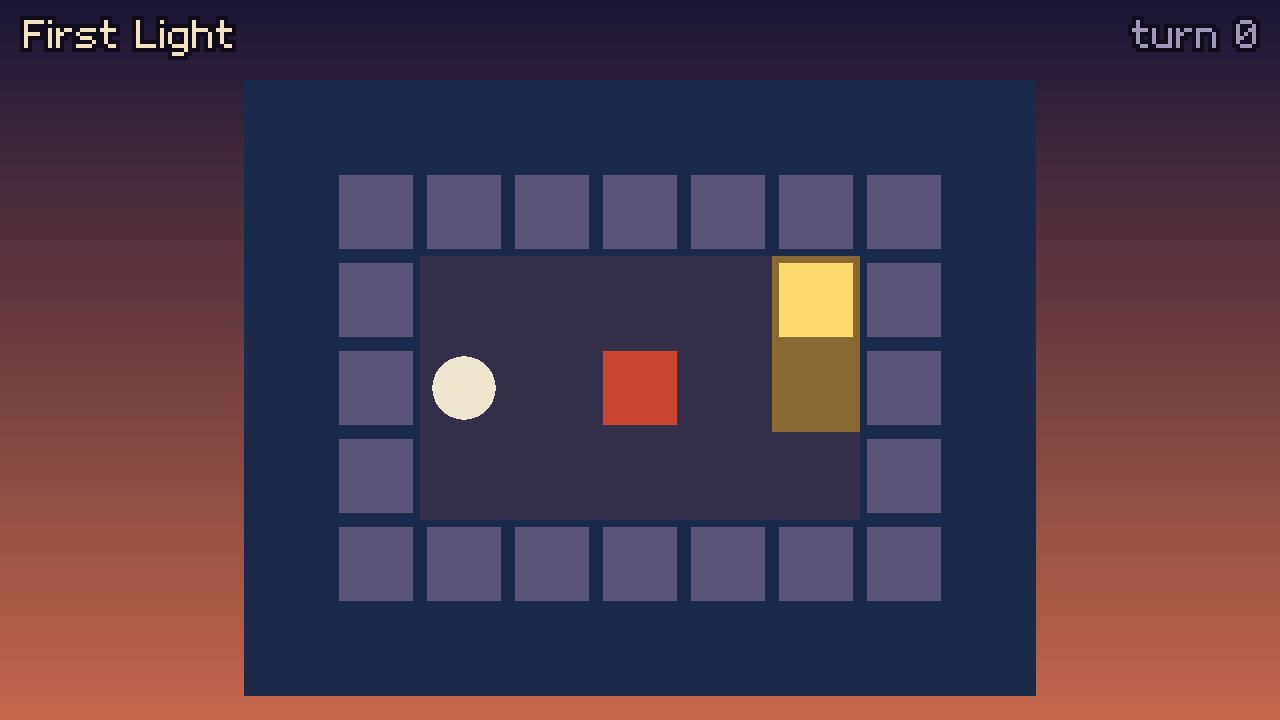
How the Director made Lamplighter
“A small Sokoban-like puzzle: a lighthouse keeper pushes oil drums onto the lamp pads to relight the lighthouses. Five short levels that get harder.”
Grid puzzle template · 6 turns · $10.55 of model time · 1 October 2026
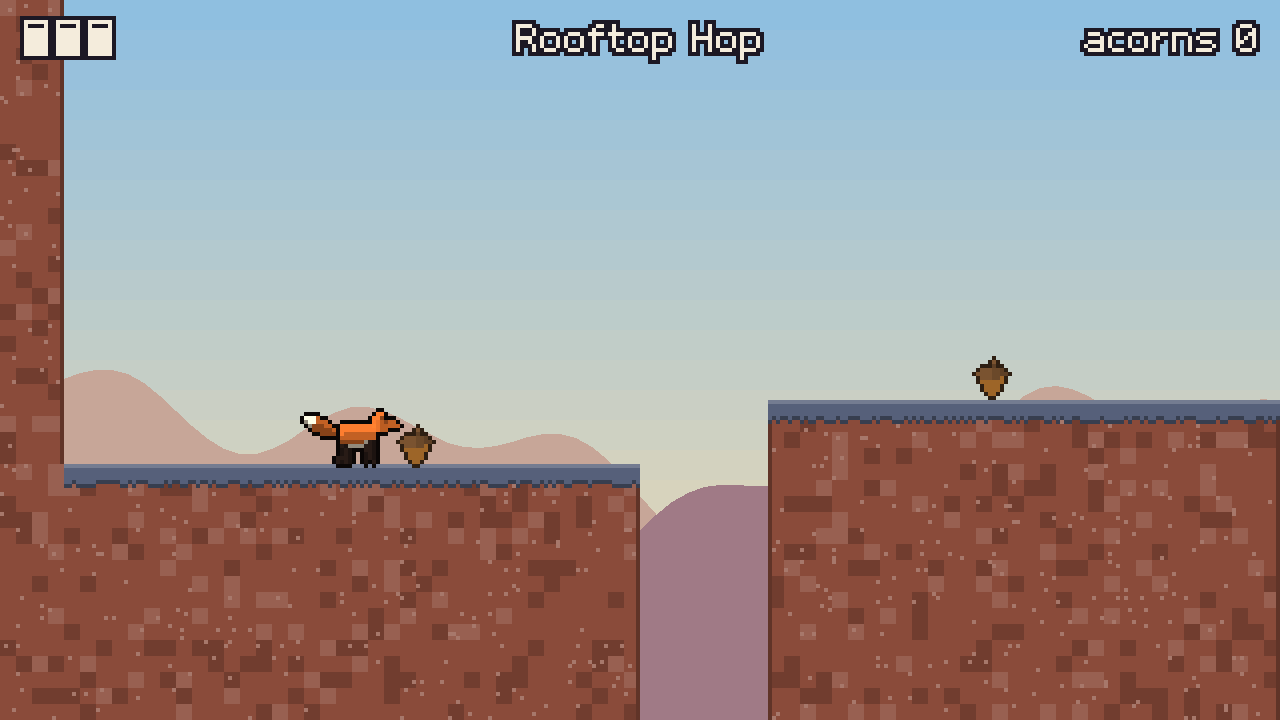
How the Director made Acorn Rooftops
“A small platformer: a fox hops across autumn rooftops collecting acorns before winter. Two or three short levels.”
Platformer template · 4 turns · $8.01 of model time, plus a turn cut off at its limit, which reported no cost · 1 October 2026
How to read a run
A few words the stories lean on. For the whole method, see how a game gets made and how it is checked.
- Proposal
- Every change the Director makes is a proposal: the documents it would change, checked before anyone is asked. The person approves it or turns it down, and can undo it later. Proposals can be stacked, each on one not yet approved; they are approved in order.
- Checks
- Before a person sees a proposal, every document is checked, the game boots twice and must end the same both times, and its playtests run. The frames it draws are checked when asked.
- Playtest
- A test the game carries with it: bots play the game and a result is checked, such as whether a bot that dodges wins its fights.
- Played
- The person's mark that they have played the game. Until then a game keeps placeholder looks.
- Asking the engine
- When a game needs something the engine can't express, the Director asks for it instead of faking it. The engine may grow a kit: a reviewed feature every game can use.
- Model time
- What each of the Director's turns cost in model use, as recorded at the time.